Saturday, 5 December 2020

Temari Balls

 In October I was introduced to Japanese Temari balls. They are very beautiful with embroidered colourful geometric patterns all over the surface.

I didn't think I would get on very well with them as they look very complicated but the way the patterns fitted together was quite logical and also fascinating.

You need to make a ball to support the surface decoration. I used old tights cut into strips that were wound round and round. Then the ball was wrapped in soft baby wool and finally a fine thread the colour of which would be seen.


The colours for the embroidery need to be chosen with the background colour.

A narrow strip of paper is used to mark the poles and then by folding it other points on the surface are marked with pins according to the chosen pattern.
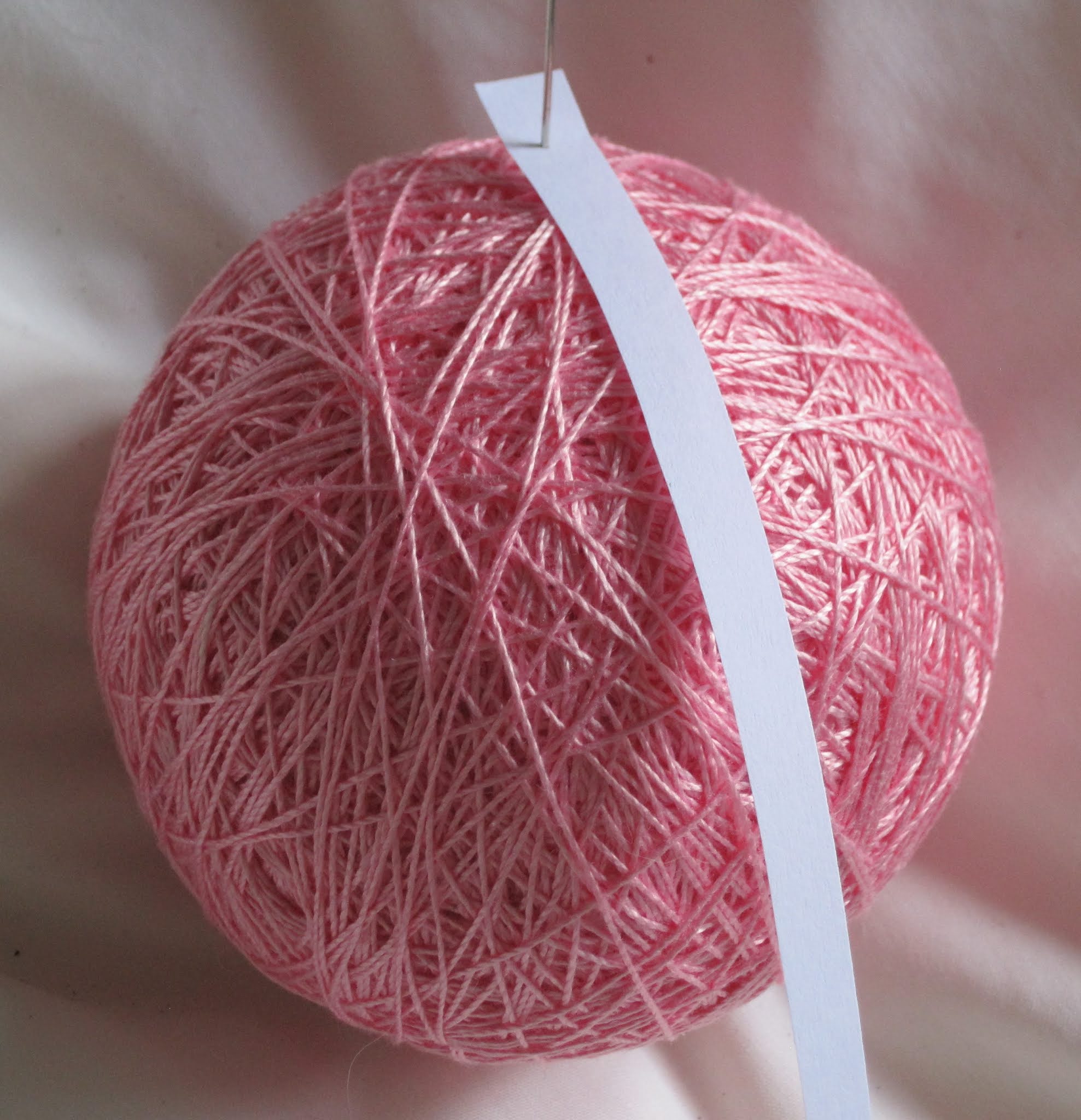


The first pattern I embroidered was the square pattern and you can see the guidelines and pins to help with placing the pattern.


You can see how cleverly the geometric patterns fit together.

The second pattern I tried was the chrysanthemum and for this pattern I had to mark out the ball in 1/8 ths. 


They are quite fascinating to make and also quite addictive.

Saturday, 14 November 2020

Red Leaves


My Cotinus bush has been beautiful this Autumn and some of the leaves have developed the most beautiful patterns as they die and fall.


Sunday, 8 November 2020

Medieval Linen Embroidery

  Last year the Heron Corn Mill, Beetham provided seeds for people to grow flax as part of a  Heritage programme exploring the flax industry in Cumbria from the Middle Ages. 

Flax plant

Retting of flax


The flax was then cut and the fibre extracted. It was woven into a narrow cloth which you can see below on the embroidery frame.

You can also see the linen threads which were dyed with plant based dyes.
The Corn Mill put out a request for embroiderers to reproduce the plants used for dyeing and I volunteered to embroider Madder.
I designed my  madder plant set within a loose frame with a medieval dyer at work. Part of the frame was a range of sample colours obtained from madder varying from pale colours to pinky-reds.


The dye is obtained from the root so I made sure that was given prominence.

The dyer was embroidered working with Madder. 
As another part of the frame I stitched some of the Medieval beasts using a range of plant dyed threads.

The name madder was also stitched


Below is the finished panel.


Tuesday, 27 October 2020

Autumn Colour

 So far this Autumn we have not had as much rain as usual and quite a good spell of sunshine. Because of this, the Autumn colours have been particularly  good and many plants have continued flowering with a change in the colours of their flowers and leaves.


Thursday, 22 October 2020

Eco Printing

 In August I did some eco dyeing with leaves freshly picked from my garden. I intended to print onto watercolour paper and this was torn into A5 pieces and then soaked in an Alum solution which would be the mordant.

Before the leaves were placed on the paper they were pressed onto either ferrous oxide or copper sulphate solutions. Starting with a piece of board stacks were ordered of watercolour paper, leaf, dyed lace, felt and plastic. About 7 of these stacks were made and then finished with another piece of board and secured tightly with bulldog clips.

They were then put in a steamer and steamed for about 2 hours. The stacks were then opened up and left to dry revealing some amazing prints.


Some were put into my sketchbook.


I was pleased with some of the prints and I want to try printing onto fabric next.

Stott Park Bobbin Mill

 The bobbin mill opened in 1835 making a range of bobbins for the Lancashire cotton mills,  mills across the country and across the Empire. ...